Try Our Recommended at-home Treatments for Dry Eye >>

How OptiLight IPL Therapy Repairs Damaged Meibomian Glands Without Prescription Eye Drops
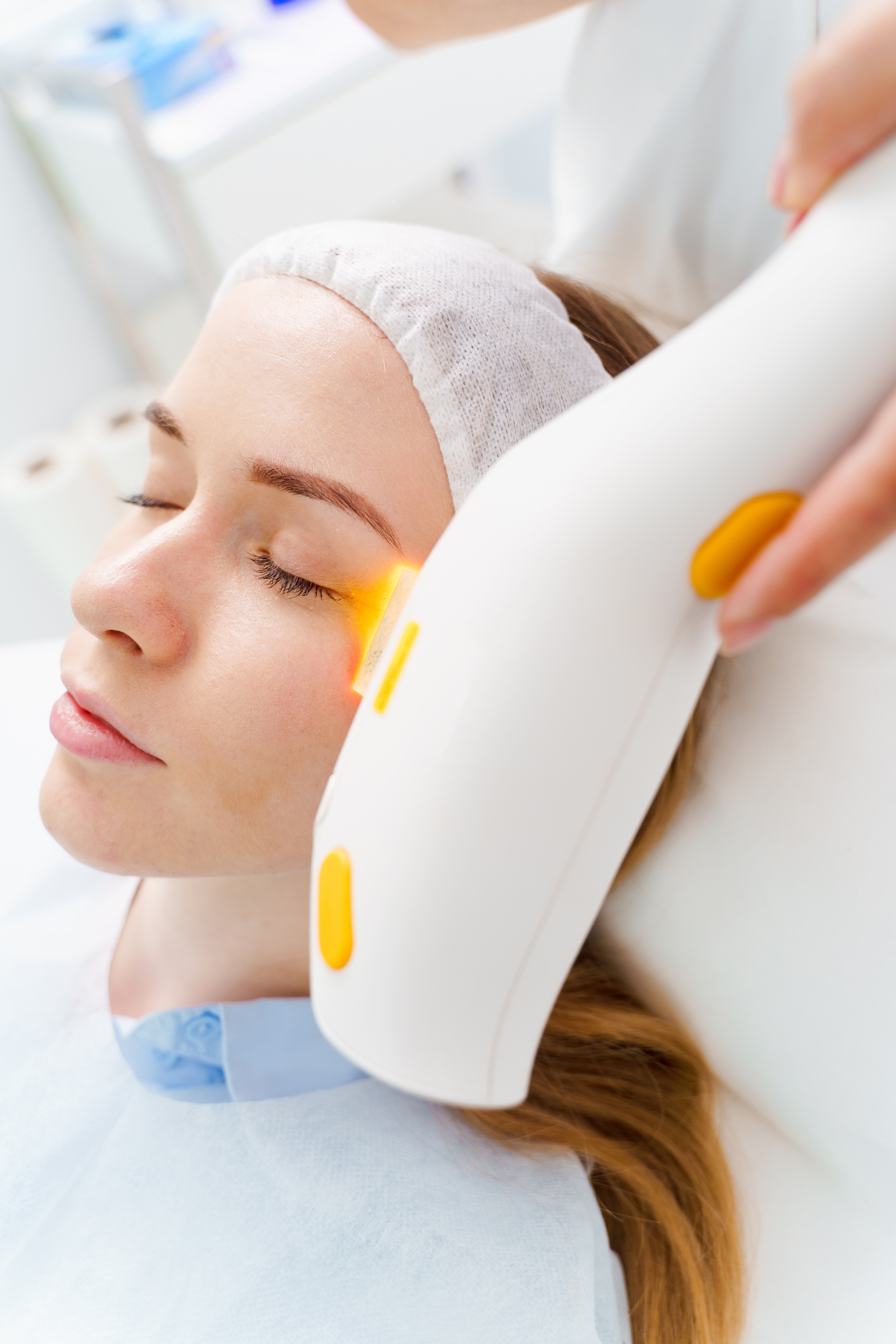
Dry eye can feel frustrating when artificial tears or prescription eye drops only provide temporary relief. If your symptoms keep returning, the issue may involve the meibomian glands, which help produce the oily layer of your tear film. When these glands are inflamed, blocked, or not working properly, tears can evaporate too quickly and leave the eyes burning, gritty, watery, or blurry.
At inVista Optical in Indianapolis, patients can receive advanced dry eye care, including OptiLight IPL therapy for dry eye related to meibomian gland dysfunction.
Why Meibomian Glands Matter
The meibomian glands are tiny oil glands along the eyelids. Every time you blink, these glands release oil into the tear film. That oil helps seal in moisture and keeps tears from evaporating too quickly.
When the glands are damaged, blocked, or inflamed, the tear film becomes unstable. This is called meibomian gland dysfunction, or MGD. MGD is one of the most common causes of evaporative dry eye, and it often needs more targeted care than standard drops alone can provide.
Why Drops May Not Fix The Problem
Eye drops can add moisture to the eye surface, which may help symptoms for a short time. Prescription drops may also help reduce inflammation for some patients. However, if the oil glands are not functioning well, symptoms may continue because the tears still evaporate too quickly.
That is why many Indianapolis patients feel stuck in a cycle of using drops again and again. Drops may help manage symptoms, but they do not always address gland blockage, poor oil flow, or eyelid inflammation.
What Is OptiLight IPL Therapy?
OptiLight IPL is an advanced light-based treatment used to help manage dry eye disease related to MGD. IPL stands for intense pulsed light. The treatment uses controlled pulses of light applied to the skin around the eyes to help reduce inflammation and support better meibomian gland function.
By targeting inflammation and gland dysfunction, OptiLight may help improve tear film quality and reduce dry eye symptoms over time. It is not a replacement for every dry eye treatment, but it can be an important option for patients who need care beyond drops.
Signs You May Have MGD-Related Dry Eye
A dry eye evaluation can help determine whether meibomian gland dysfunction is contributing to your symptoms. Schedule an exam if you notice:
- Burning, stinging, or gritty eyes
- Watery eyes that still feel dry
- Blurry vision that improves after blinking
- Redness along the eyelids
- Contact lens discomfort
- Light sensitivity
- Heavy or tired eyelids
- Frequent need for artificial tears
These symptoms can also overlap with allergies, blepharitis, Demodex, contact lens irritation, or other eye health concerns.
How OptiLight Helps The Tear Film
When inflammation affects the eyelids and meibomian glands, the oil layer of the tear film can become poor or inconsistent. OptiLight is designed to help reduce inflammatory factors that interfere with gland function. In some cases, treatment may also be paired with gland expression or other dry eye therapies to help improve oil flow.
The goal is to support a healthier tear film so the eyes can stay more comfortable between blinks. For many patients, that can mean less burning, less irritation, and less dependence on repeated drop use.
What To Expect During Treatment
Before recommending OptiLight, your eye doctor will evaluate your symptoms, tear film, eyelids, and meibomian gland function. If you are a candidate, your provider will explain the treatment series, what the procedure feels like, and how to prepare.
During treatment, protective eye shields are used, and light pulses are applied to targeted areas around the eyes. Some patients may feel warmth or a snapping sensation on the skin. Your provider will give aftercare instructions, including sun protection recommendations.
Why A Personalized Dry Eye Plan Matters
Dry eye is not the same for every patient. Some people need eyelid hygiene, warm compresses, prescription therapy, contact lens changes, or environmental adjustments. Others may benefit from in-office treatments such as OptiLight IPL.
At inVista Optical, dry eye care starts with understanding the cause of symptoms. Once the source is clearer, your treatment plan can be built around your tear film, glands, lifestyle, and comfort goals.
Move Beyond Temporary Relief
If dry eye symptoms keep coming back despite drops, your meibomian glands may need attention. OptiLight IPL therapy offers an advanced approach for patients with MGD-related dry eye who want to address the source of evaporation and inflammation more directly.
To schedule a dry eye evaluation or ask about OptiLight IPL therapy, contact inVista Optical in Indianapolis, IN at 7810 E. 96th St., Fishers, IN 46037, or call (317) 842-4432.
Quick Links
Helpful Articles

All Eye Care Services
We go beyond standard eye exams to provide personalized healthcare tailored to your unique needs. Using advanced diagnostic tools, we ensure precise optical measurements for unmatched accuracy in your prescriptions and eyewear.
Keep In Touch
For non-urgent questions or to learn more about our services, contact us today!
© 2026 inVista Optical. All rights Reserved - Accessibility Statement - Privacy Policy - Sitemap
Managed and Designed by 