Try Our Recommended at-home Treatments for Dry Eye >>

Tracking Myopia Progression: Why Follow-Up Visits Matter
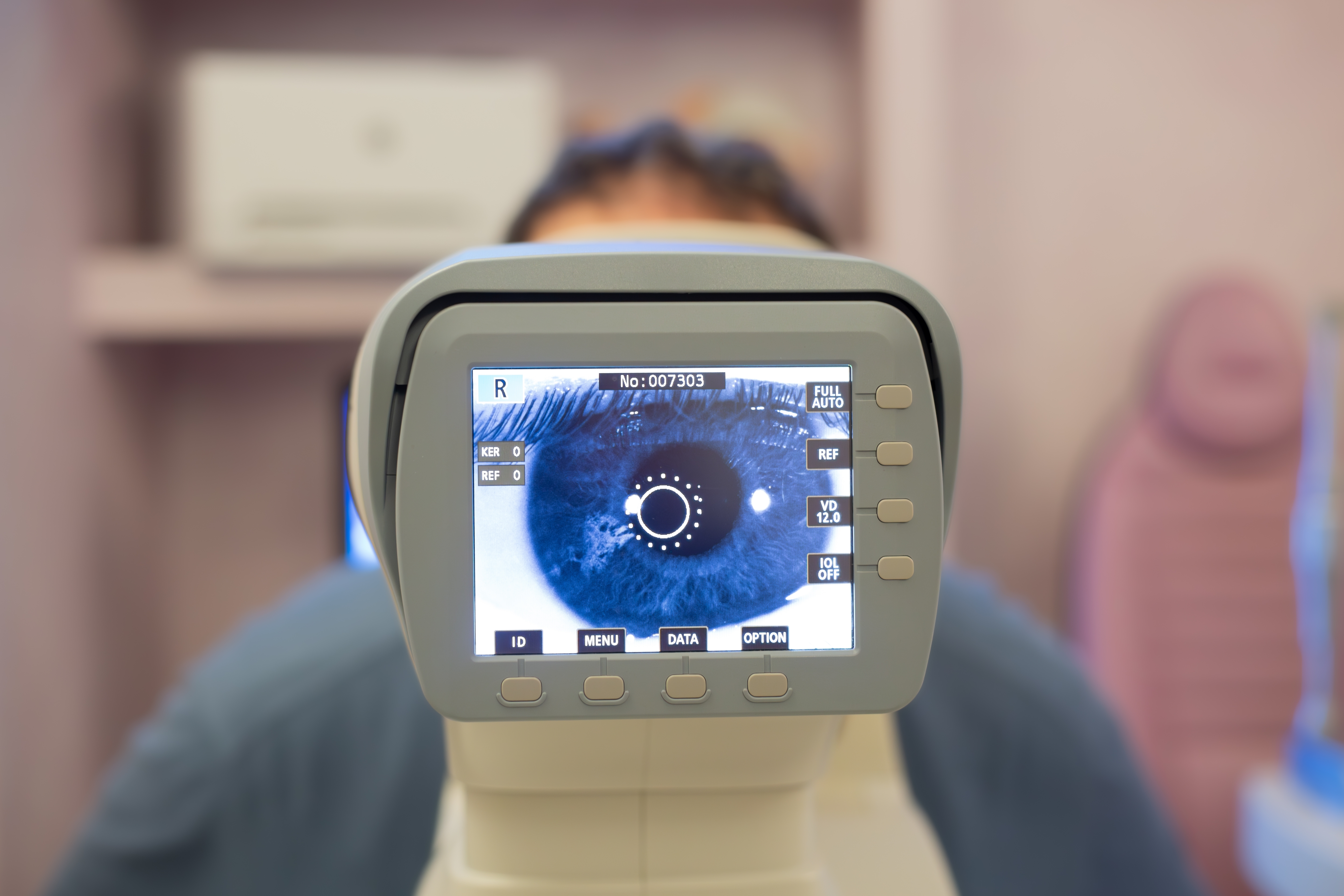
Starting myopia management is an important step when a child’s nearsightedness continues to increase, but treatment does not end after the first prescription or lens fitting. Because children’s eyes are still developing, regular follow-up visits help us understand whether myopia is progressing and whether the current treatment plan is meeting your child’s needs.
At inVista Optical in Indianapolis, we provide personalized myopia management and ongoing monitoring based on each child’s prescription, eye health, age, lifestyle, and rate of progression.
Why Does Myopia Need Ongoing Monitoring?
Myopia, or nearsightedness, causes distant objects to appear blurry while close-up objects remain clearer. It commonly develops during childhood and can continue becoming stronger as the eyes grow.
Standard glasses correct the blurry vision, while myopia management is designed to slow the rate of progression. No treatment can guarantee that a child’s prescription will stop changing completely, which is why follow-up visits remain important.
Tracking changes over time gives us more information than simply asking whether your child can still see the classroom board clearly.
What Happens During a Myopia Follow-Up?
The exact evaluation depends on your child’s age, prescription, previous findings, and current treatment. At an Indianapolis myopia follow-up, we may review:
Changes in prescription strength and distance vision
How clearly your child sees with current glasses or contact lenses
Overall eye and corneal health
Contact lens fit and comfort when applicable
How consistently the prescribed treatment is being followed
Changes noticed at school, during sports, or at home
Comparing these findings with earlier visits helps us determine whether myopia appears relatively stable or continues to progress.
How Are Different Treatments Reviewed?
inVista Optical offers several myopia management options, including Essilor Stellest lenses, MiSight 1 day contact lenses, and low-dose atropine eye drops.
Children wearing Stellest lenses may need their prescription and visual clarity reassessed as they grow. MiSight wearers require follow-ups to check contact lens fit, corneal health, comfort, and changes in prescription. Children using low-dose atropine need their treatment response, prescription changes, and possible side effects reviewed regularly.
In some cases, more than one strategy may be considered when myopia is progressing quickly. Treatment decisions should always be based on your child’s individual examination findings.
What Should Parents Watch for Between Visits?
Children do not always recognize gradual changes in their vision. Parents may notice increased squinting, moving closer to screens, difficulty seeing classroom displays, or complaints that distant objects no longer look as sharp.
If your child wears contact lenses, also watch for new redness, discomfort, dryness, or difficulty wearing the lenses for the expected amount of time.
Significant pain, strong light sensitivity, discharge, marked redness, or sudden vision changes should be evaluated promptly rather than waiting for a routine follow-up.
Why Does Early Tracking Matter?
Higher levels of myopia are associated with greater lifetime risks of certain eye conditions, including retinal detachment, glaucoma, cataracts, and myopic maculopathy. Myopia management aims to reduce how quickly nearsightedness progresses while the eyes are still developing.
Regular outdoor time and breaks during prolonged reading or screen use can support healthy visual habits, but they do not replace prescribed myopia treatment when treatment is recommended.
A child may feel that their current glasses or contacts work perfectly while the underlying prescription is still changing. Regular follow-ups create a record of that progression and help us make informed decisions as your child grows.
If your child is receiving myopia management or their prescription continues getting stronger, contact inVista Optical at 640 E. Michigan St., Ste B, Indianapolis, IN 46202 by calling (317) 929-1401 to schedule a myopia follow-up and track their treatment progress.
Quick Links
Helpful Articles

All Eye Care Services
We go beyond standard eye exams to provide personalized healthcare tailored to your unique needs. Using advanced diagnostic tools, we ensure precise optical measurements for unmatched accuracy in your prescriptions and eyewear.
Keep In Touch
For non-urgent questions or to learn more about our services, contact us today!
© 2026 inVista Optical. All rights Reserved - Accessibility Statement - Privacy Policy - Sitemap
Managed and Designed by 